
Home décor is now bought on a phone screen. Your cushion covers, bedcovers and throws have to look as good in a photo as they do on a sofa — and the printing method you choose plays a big part in that.
What is digital printing?
Digital textile printing works like a large inkjet printer: the design is printed directly onto the fabric from a digital file. There are no screens to make, so every colour, gradient and fine detail in your artwork can be reproduced.
Best for: florals, watercolours, photographic designs, many colours, seasonal collections and smaller quantities per design.
What is screen printing?
Screen printing pushes ink through a mesh screen, one screen per colour. Once the screens are made, printing is fast and cost-effective in volume, with rich, solid colours.
Best for: bold graphics, stripes and geometrics, a limited number of colours and larger runs of the same design.
Side-by-side comparison
| Digital printing | Screen printing | |
|---|---|---|
| Colours | Unlimited, gradients and photo detail | Limited (one screen per colour) |
| Set-up | None — print from a file | Screens needed for every colour |
| Small quantities | Very economical | Costly per piece |
| Large quantities | Good | Very economical |
| Design changes | Easy and fast | New screens required |
| Look | Sharp, detailed, soft hand | Bold, solid, vibrant |
Which fabrics work best?
Cotton, cotton canvas, velvet and blended fabrics all take printing well — the right ink system depends on the fabric. Velvet gives digital prints a rich, luxurious depth; canvas suits bold, graphic looks.
Beyond printing: finishes that sell
- Piping and tassels for a finished, premium edge
- Embroidery for texture and luxury
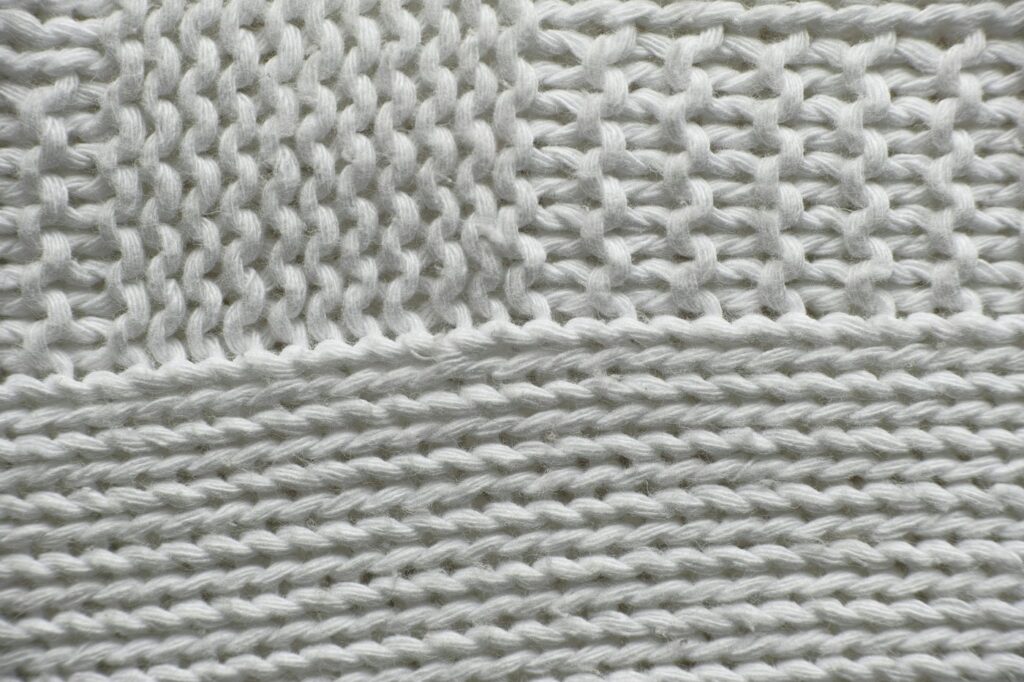
- Knitted throws to coordinate with printed cushions
- Coordinated sets — cushions, throws and bedding styled around one theme
Packing for online marketplaces
Cushion covers sold online need clear labels, protective polybags and cartons that survive courier handling. Plan packing at the sampling stage, not after production.
The bottom line
Choose digital when design variety, detail and smaller runs matter. Choose screen printing when you have a proven design in bold colours and want the lowest cost at volume. Many brands use both.
Frequently asked questions
Is digital printing good for cushion covers?
Yes. Digital printing reproduces unlimited colours, gradients and fine detail, and is economical for smaller quantities per design.
When is screen printing better?
Screen printing is more economical for large runs of the same design in a few bold colours.
Which fabric is best for printed cushion covers?
Cotton, cotton canvas and velvet are popular. Velvet gives digital prints a rich, luxurious depth.
Can I sell custom cushion covers on marketplaces?
Yes — plan labels, polybags and cartons at the sampling stage so products are ready for marketplace shipping.
Building a home décor range? See our home textiles — from artwork to ready-to-ship →