Every few weeks, someone asks us the same thing: “Can you make just one sweater for me? I want something customised. Something unique.” Often the next question is, “Do you make hand-knitted sweaters?”
The honest answers are: we don’t hand-knit, and yes, we can make you one sweater — but it will cost a lot more than you expect, and it won’t be ready tomorrow. Here is why.
Hand-knitted vs factory-knitted: why one piece costs so much
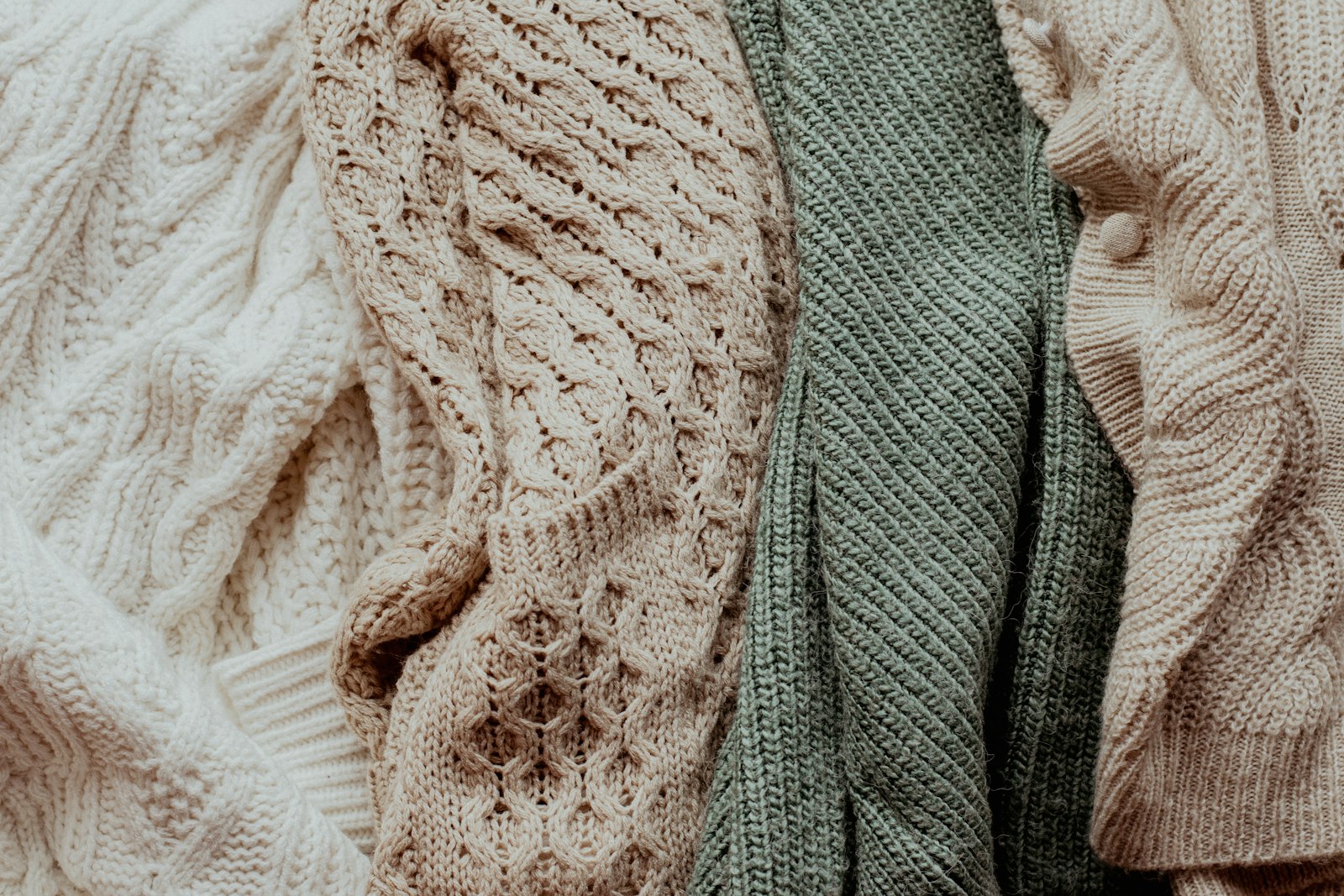
A hand-knitted sweater takes the time and effort of one person. A machine-knitted sweater is different. When a factory makes just one piece, the process does not change. Every step that goes into a bulk order still has to happen — for a single garment.
What actually happens when a factory makes one sweater
- Design and programming. A designer recreates your design in knitting software and turns it into a program the machine can run.
- Knitting the panels. The machine knits the front, back and sleeves as separate panels.
- Checking and re-knitting. The stitch count and measurements may not match your requirement on the first try. The program is adjusted and the panels are knitted again.
- Linking and finishing. The approved panels are joined, washed and finished.
Step 3 is where the wastage happens. If the sweater is in a single colour, we can unravel and rewind the yarn from a rejected panel and use it elsewhere, for example on the linking machines. If it has two or more colours, the yarn cannot be rewound. That panel simply becomes waste.
Why factories avoid single-piece orders
A knitting floor runs on rhythm. A single custom piece breaks it. The machine stands idle while the operator changes the yarn, loads the new program, checks the sample and re-knits it. Every one of those minutes is time the machine is not producing anything else.
The three biggest challenges
1. You can’t buy “just enough” yarn
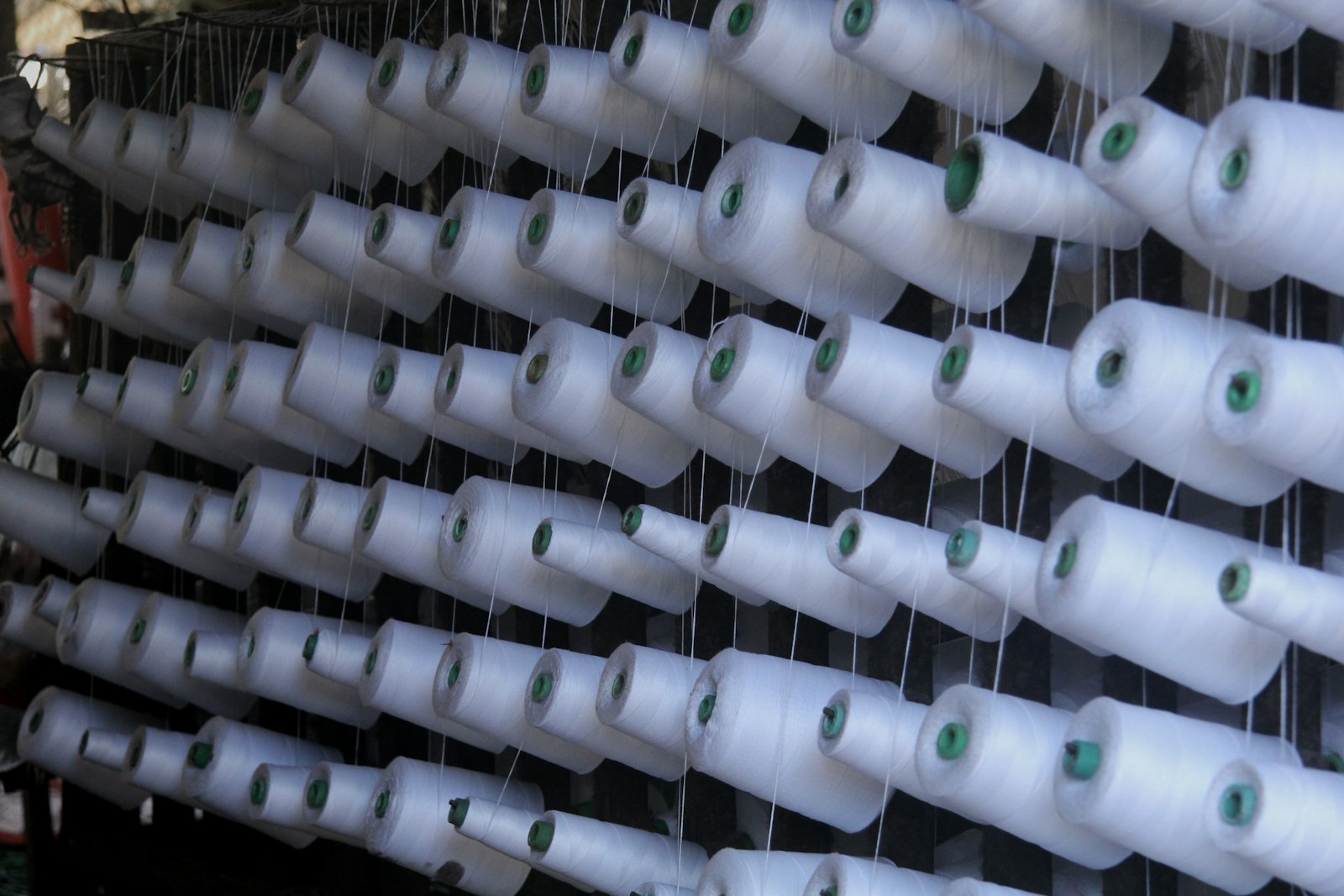
Your sweater may weigh only a few hundred grams. But to knit it, a machine needs at least 2 to 4 cones of each yarn, and a cone weighs about 1.5 to 2 kg. So for one sweater, you can end up ordering 6 to 8 kg of yarn.
2. The exact colour may not exist yet
Fancy yarns, organic cotton, cotton blends, premium acrylic — sourcing your exact shade is one of the hardest parts. The mill may not have it in stock. Dyeing a small quantity attracts an extra surcharge, and new colours usually take 45 to 60 days to dye.
3. Sampling eats machine time
Say a machine knits around 50 garments in 24 hours. A sample needs anywhere from 2 to 3 hours, depending on the design. That is a production loss of at least 4 to 6 pieces — and that cost goes into the price of your one sweater. The more complex the sample, the more time it takes, and the more it costs.
Luxury yarns raise the stakes
Some of our clients are boutique owners who want something truly unique for their customers, in real luxury yarns: blends of superfine merino, silk, baby alpaca and cashmere. These yarns start at around ₹6,000 to ₹8,000 per kg.
Even when we work carefully, every order loses about 2 to 3% of the yarn on the machines. On a 400-gram sweater, that is roughly 10 grams of yarn that never makes it into the garment. At about ₹6 a gram, that is around ₹60 lost before the sweater is even finished. Add the yarn in any rejected sample panels, and on a single piece, all of that cost is carried by one sweater.
So when does a one-off sweater make sense?
For most people, a single customised sweater is not a great idea. It makes sense when the piece really matters:
- Fashion designers whose garment will be shown at a fashion week or a show
- Design students who need a knitted piece for a jury, a final collection or an event (please don’t come to us the night before!)
- Boutique owners creating something exclusive in luxury yarns for a special client
How long does it take?
Plan for at least 7 to 10 days. Sampling is done only when the machines are free during the production schedule, so a single piece has to fit around running orders.
Before you ask for a one-off sweater, have these ready
- A clear design: a sketch, a reference photo or a tech pack
- Your measurements or size chart
- Your yarn and colour preference, and how flexible you are — choosing a colour that is already in stock saves weeks and money
- Your deadline, and how firm it is
Frequently asked questions
Do you make hand-knitted sweaters?
No. Umora knits sweaters on flatbed knitting machines. We do not offer hand-knitted sweaters.
Can I order just one customised sweater?
Yes, but the price includes design programming, sampling, yarn minimums and machine time, so it costs far more than a sweater from a bulk order.
Why is a single custom sweater so expensive?
The factory process is the same for one piece as for a thousand. Yarn has to be bought by the cone, samples may need re-knitting, multi-colour panels cannot be reused, and the machine loses production time.
How long does it take to dye a custom yarn colour?
Usually 45 to 60 days, and small dye lots carry an extra surcharge.
How long does a one-off sweater take?
At least 7 to 10 days, because sampling is fitted around the production schedule.
In a hurry? Ask about our express service. Write to info@umorafashion.com or WhatsApp +91 8850 227 898 →