If you are developing a sweater, cardigan or knitted accessory, one of the first questions your manufacturer will ask is: what gauge? The answer shapes the look, weight, warmth, cost and production time of the garment.
What is gauge (GG)?
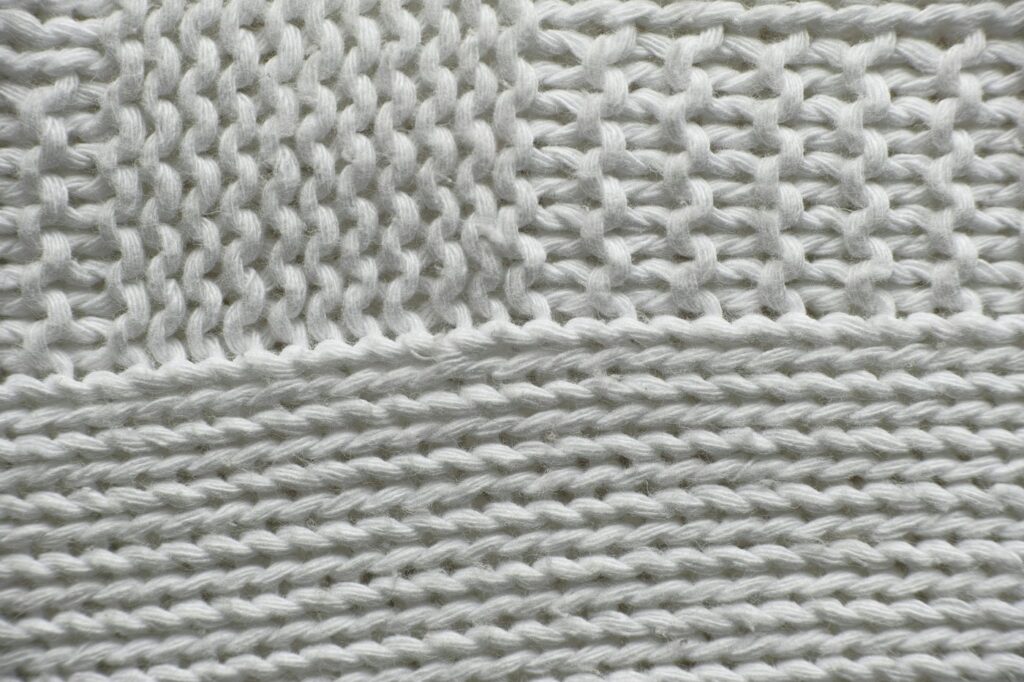
In flatbed knitting, gauge refers to the number of needles per inch on the knitting machine bed. More needles per inch means smaller stitches and a finer fabric; fewer needles means bigger stitches and a chunkier fabric. That is why a 3GG sweater looks thick and textured, while a 7GG sweater looks smoother and finer.
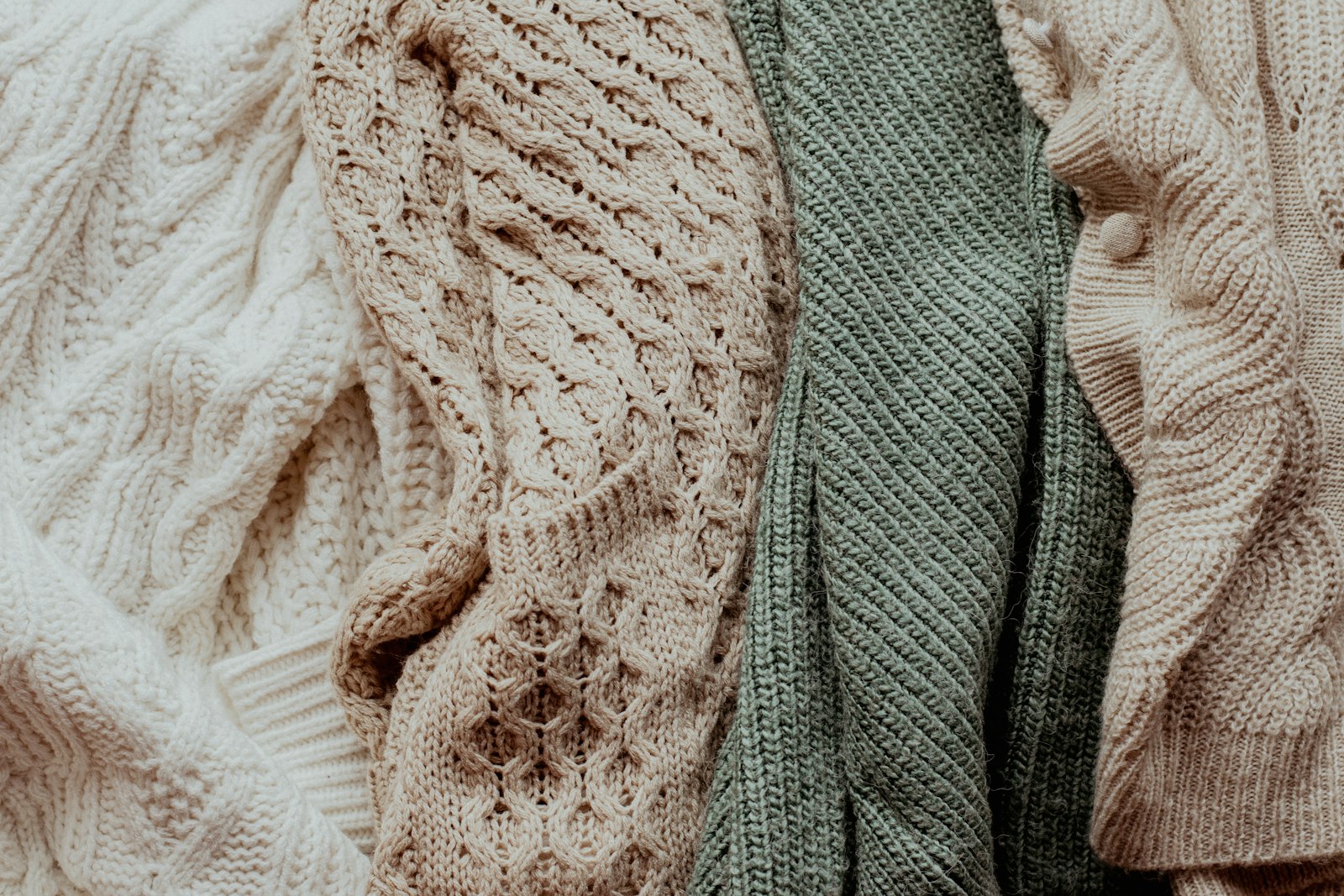
3 gauge (3GG): chunky and statement
3GG uses thick yarns and large stitches. It is perfect for:
- Chunky cable pullovers and oversized winter sweaters
- Heavy cardigans and outerwear-style knits
- Beanies, scarves and winter accessories with a cosy, hand-knit look
Because the yarn is thicker, 3GG garments are warm and visually bold — ideal for “hero” pieces in a winter collection.
5 gauge (5GG): the versatile mid-weight
5GG sits in the middle. It is substantial enough to feel like a proper winter sweater, but neat enough for everyday wear. Typical uses:
- Crew neck and V-neck pullovers
- Sweater vests and kidswear sweater sets
- Textured jacquards and simple cable patterns
7 gauge (7GG): finer and layer-friendly
7GG produces a smoother, lighter fabric that layers easily under jackets and blazers. It is commonly used for:
- Lighter pullovers and polo-collar knits
- School and uniform knitwear — sweaters and cardigans
- Infant and kids knits, where softness and lightness matter
Computerised vs hand flat machines
Modern sweater production uses computerised flat knitting machines (such as Shima Seiki) for volume and consistency, programmed on design systems that turn a tech pack into a knitting program. Hand flat machines remain valuable for sampling, small runs and craft details. A good knitwear unit uses both.
Don’t forget linking
After knitting, panels are joined on linking machines, which create clean, stretchy seams stitch by stitch. Good linking is one of the easiest ways to tell a well-made sweater from a cheap one — check the shoulders and side seams.
How to choose the right gauge
- Season and climate — deep winter and export markets favour 3–5GG; Indian winters and layering pieces often suit 7GG.
- Design — big cables need low gauges; fine jacquards and logos read better on higher gauges.
- Price point — chunkier gauges use more yarn per piece.
- Customer — infants and school children need softer, lighter knits.
Frequently asked questions
What does GG mean in sweaters?
GG means gauge — the number of needles per inch on the knitting machine. A lower gauge gives a chunkier knit; a higher gauge gives a finer knit.
Is 3GG or 7GG warmer?
A 3GG sweater uses thicker yarn and is generally warmer and chunkier. A 7GG sweater is finer and lighter, better for layering.
Which gauge is used for school sweaters?
School and uniform sweaters are often knitted around 7GG for a neat, lighter fabric that layers under blazers.
What is linking in sweater manufacturing?
Linking joins knitted panels stitch by stitch on a linking machine, creating clean, stretchy seams at shoulders and sides.
Need flatbed knitting capacity? See our 3, 5 & 7 gauge knitting on Shima Seiki machines →