
Direct-to-garment (DTG) printing has made it possible to launch a T-shirt brand with almost no inventory. But every DTG printer learns the same lesson quickly: the print is only as good as the blank. A fuzzy, unstable T-shirt produces dull prints, cracked ink and angry customers after the first wash.
What is DTG printing?
DTG works like an inkjet printer for fabric. Water-based inks are sprayed directly into the cotton fibres. Because the ink sits in the fabric rather than on top of it, the fabric surface matters enormously. Loose fibres, uneven knitting and shrinkage all show up in the final print.
Why 100% cotton?
DTG inks are designed to bond with natural cotton fibres. Polyester and high-polyester blends do not absorb the ink the same way, so colours look washed out and can fade quickly. For the most vibrant, durable DTG prints, use 100% cotton.
What “bio-washed” means
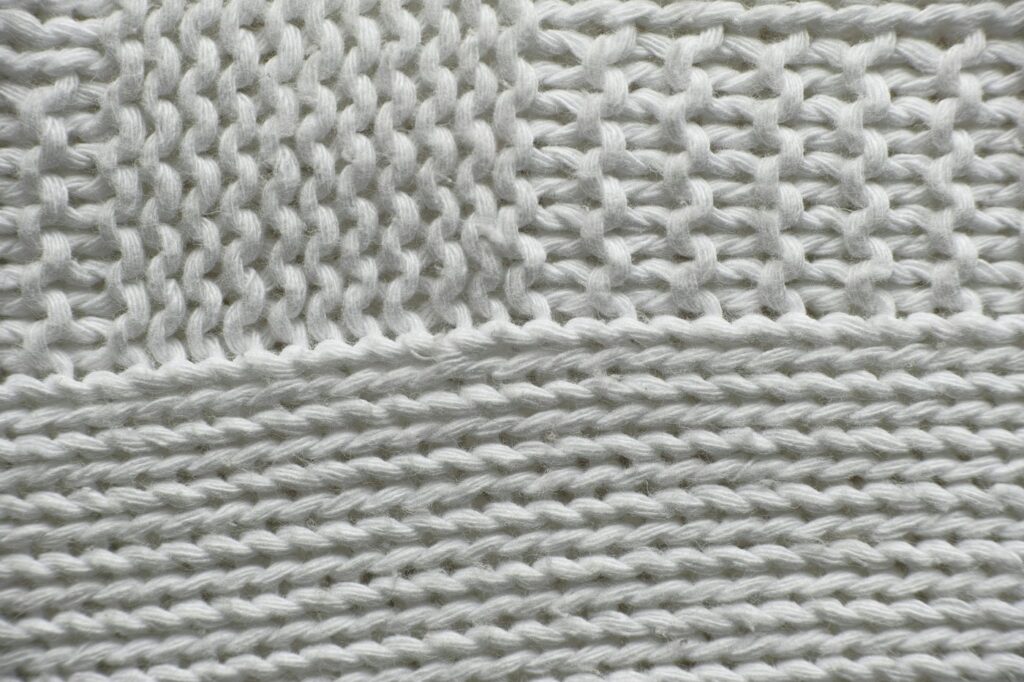
Bio-washing is an enzyme treatment that removes the tiny loose fibres sticking out of the yarn surface. The result is a smoother, softer fabric that:
- Gives sharper print edges and fine detail, because there is no “fuzz” for the ink to sit on
- Pills much less over time
- Feels softer against the skin from the very first wear
Compacted and pre-shrunk: the return-rate killers
Cotton knit fabric naturally wants to shrink after washing. If a T-shirt shrinks after the customer washes it, the print distorts and the fit changes — and that becomes a return or a bad review. Compacting is a mechanical finishing process that stabilises the fabric, and pre-shrinking takes care of most shrinkage before the garment is ever cut. Together, they keep both the size and the artwork true wash after wash.
Colour-fastness for dark blanks
Many DTG best-sellers are printed on black, navy and other dark shades. A colour-fast fabric does not bleed dye into the white underbase or fade unevenly, so the design stays crisp and the garment stays dark.
Why 180 GSM works so well for DTG
A smooth, compacted 180 GSM jersey is opaque, comfortable and stable on the printer platen. It is heavy enough to feel good, light enough to keep shipping costs and pricing sensible for print-on-demand.
Packing that makes a printer’s life easier
Print shops work size by size. Blanks packed in sets — for example, 10 pieces per size — make stock counts, reorders and order picking far simpler than loose bulk.
Checklist: what to ask your DTG blank supplier
- Is it 100% cotton?
- Is it bio-washed?
- Is it compacted and pre-shrunk? What is the expected shrinkage?
- Is it colour-fast in dark shades?
- What is the GSM, and is it consistent batch to batch?
- How is it packed — per size, per colour?
- Does it have a removable or size-only label, so you can add your own brand?
Frequently asked questions
Which fabric is best for DTG printing?
100% cotton is best for DTG because water-based DTG inks bond with cotton fibres. Bio-washed, compacted cotton gives the sharpest prints.
Why do DTG prints fade or look dull?
Common causes are polyester-rich blanks, loose surface fibres, poor pre-treatment and fabric that shrinks after washing. A bio-washed, pre-shrunk cotton blank solves most of these.
What GSM is best for print-on-demand T-shirts?
Around 180 GSM is a popular choice: opaque and comfortable while keeping cost and shipping weight sensible.
What does pre-shrunk mean?
The fabric has been treated so most of its natural shrinkage happens before the garment is cut, so the size and print stay true after the customer washes it.
Need DTG-ready blanks? Our 180 GSM bio-washed T-shirts, packed 10 per size →